Lucky Draw: A Charming Drybrush Display Font for Web Design
As a web designer, finding the right typeface can make or break your design. Lucky Draw is a premium font that brings a unique, sketchy charm to any project. Its drybrush style and playful personality make it an excellent choice for adding a creative touch to your digital designs.
The Visual Appeal of Lucky Draw
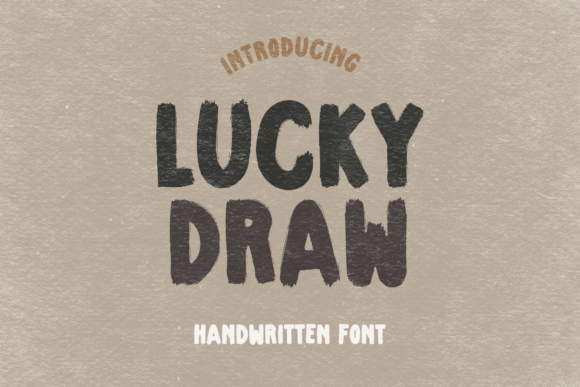
Lucky Draw stands out with its incredibly sketchy feel, making it perfect for projects that need a hand-drawn, personal touch. The font's texture and irregular lines give it a natural, organic look, which can be particularly effective in creating a more human, approachable brand identity.
Using Lucky Draw in Web Design
Lucky Draw is versatile and can be used in various parts of your web design:
- Website Headers: Use Lucky Draw for headers to create an immediate, memorable impression. It works well for titles that need to stand out and set the tone for the page.
- Hero Sections: In hero sections, Lucky Draw can be a powerful tool for drawing attention and setting the mood. Pair it with a clean, simple sans serif for body text to maintain readability.
- Call-to-Action Areas: For buttons and CTA areas, Lucky Draw can add a playful, engaging element. Just ensure the text is large enough to be easily readable on mobile screens.
- Online Shop Banners: In e-commerce, Lucky Draw can help create eye-catching banners that draw customers in. Its unique style can make your promotions and sales stand out.
- Blog Graphics and Digital Ads: Use Lucky Draw for blog post graphics and digital ads to add a creative, handmade feel. This can help your content stand out in a sea of generic, overused fonts.
Readability and Visual Hierarchy
While Lucky Draw is visually appealing, it's important to consider readability, especially on smaller screens. Here are some tips:
- Use for Titles and Headings: Lucky Draw is best suited for titles, headings, and short phrases. Avoid using it for long paragraphs or body text, where readability is crucial.
- Size Matters: Ensure the font size is large enough to be legible. For mobile devices, aim for at least 24px to maintain clarity.
- Color and Background: Use high-contrast colors, especially on dark backgrounds. Test different color combinations to find the most readable option.
Font Pairing for a Balanced Design
To create a balanced and professional look, pair Lucky Draw with simpler, more legible fonts. Consider these options:
- Sans Serif Fonts: Pair Lucky Draw with a clean, modern sans serif like Arial, Helvetica, or Roboto. This combination ensures readability while maintaining a creative edge.
- Serif Fonts: For a more editorial and sophisticated look, pair Lucky Draw with a classic serif like Times New Roman or Georgia. This can be particularly effective for blog headers and article titles.
- Script Fonts: If you want to add a touch of elegance, consider pairing Lucky Draw with a script font for decorative accents or logo text. Just use script fonts sparingly to avoid overwhelming the design.
Practical Considerations for Using Lucky Draw
When incorporating Lucky Draw into your web design, keep these practical considerations in mind:
- File Formats: Check if the font includes webfont formats (e.g., WOFF, WOFF2) for easy integration into your website.
- Included Styles and Weights: Review the available styles and weights to see if they meet your design needs. Multiple weights can provide flexibility in creating visual hierarchy.
- Multilingual Support: If your audience is global, ensure the font supports the languages you need. This can be crucial for international brands and websites.
Commercial Licensing for Professional Use
Before using Lucky Draw in client projects, online stores, or other commercial applications, verify the licensing terms. Commercial font licenses typically cover usage in websites, digital products, and brand assets. Always check the specific license to ensure compliance and avoid any legal issues.
Lucky Draw is a fantastic addition to your design toolkit, offering a unique, hand-drawn aesthetic that can elevate your web design projects. By using it thoughtfully and considering its strengths and limitations, you can create engaging, memorable, and professional-looking designs that resonate with your audience.